
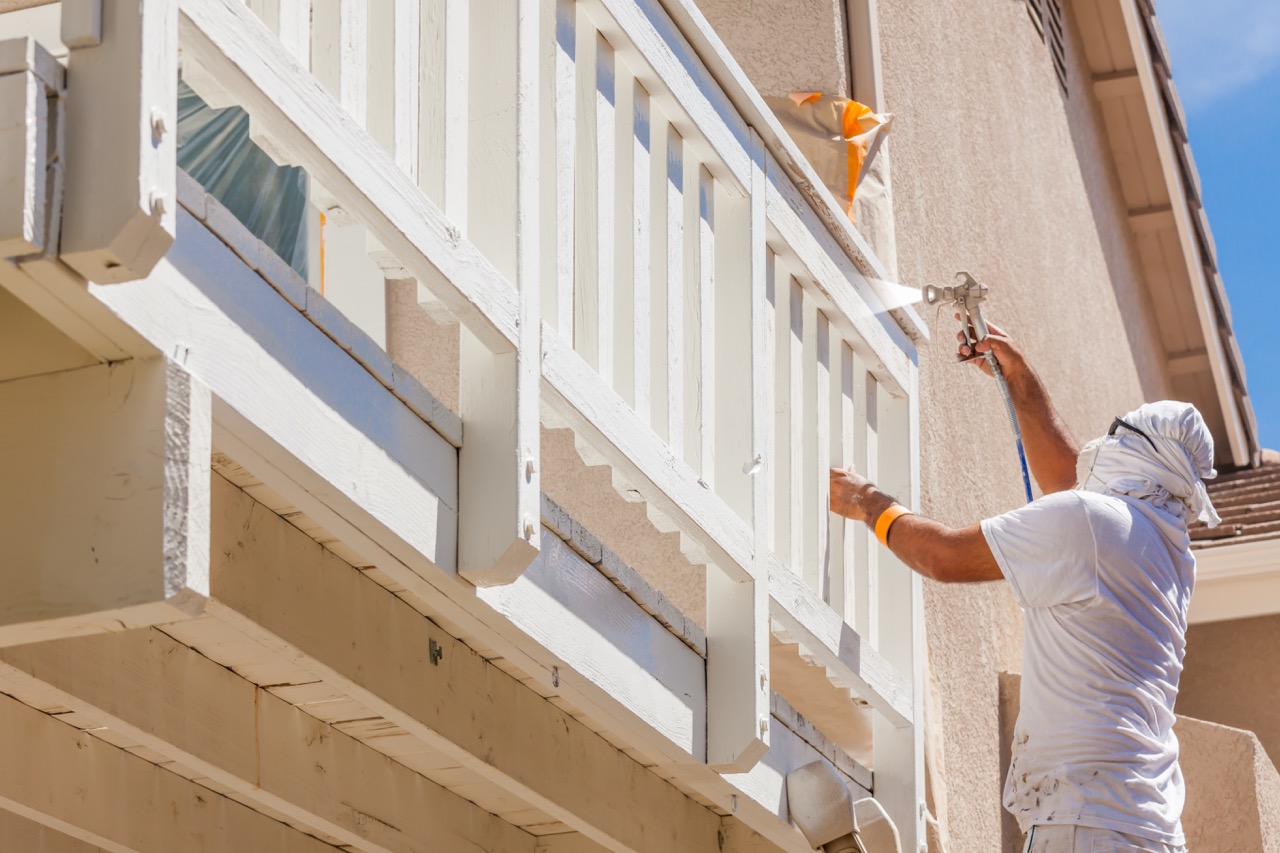
Painting is often considered one of the easiest ways to transform the appearance of a home. A new color can make an outdated exterior feel modern, brighten interior spaces, and give an entire property a cleaner, more polished look. However, the benefits of a professionally painted surface extend well beyond aesthetics.
Paint also serves as an important protective layer between the materials that make up your home and the conditions they encounter every day.
From changing weather and moisture to dirt, sunlight, and routine wear, residential surfaces are constantly exposed to elements that can gradually affect their condition. Professional house painting helps create an additional barrier while maintaining the attractive appearance homeowners expect from a freshly finished property.
Understanding this protective role can help homeowners view painting not simply as decoration, but as an important part of long-term property maintenance.
Paint Creates a Protective Layer for Your Home
Exterior surfaces are continuously exposed to environmental conditions.
Rain, humidity, sunlight, wind, dirt, and seasonal temperature changes can gradually affect siding, trim, wood, and other materials. Without adequate protection, these surfaces may begin to show discoloration, deterioration, cracking, or other signs of wear.
A properly applied coating helps separate the underlying material from direct exposure.
The effectiveness of this protection depends on several factors, including the condition of the surface, preparation methods, product selection, and quality of application.
This is one reason professional house painting involves much more than simply covering an existing color. The goal is to create a properly prepared and finished surface capable of maintaining both appearance and performance.
Helping Protect Surfaces from Moisture
Moisture is one of the most common concerns for many building materials.
When water reaches areas that are inadequately protected, it can contribute to peeling paint, staining, swelling, and gradual surface deterioration. Wood components can be particularly vulnerable when protective coatings begin to fail.
Quality exterior paint helps create a barrier that reduces direct moisture exposure.
However, applying new paint over damaged, dirty, or poorly prepared surfaces does not solve the underlying problem. Existing peeling areas, cracks, gaps, and deterioration should be evaluated before new coatings are installed.
Professional preparation helps ensure that the new finish can properly adhere and provide the protection it was designed to deliver.
Weather Conditions Can Affect Exterior Surfaces
Homes in Massachusetts experience significant seasonal changes throughout the year.
Warm summers, cold winters, rain, snow, humidity, and changing temperatures all influence how exterior surfaces perform over time. Materials can expand and contract as conditions change, while sunlight and moisture gradually affect coatings.
For this reason, exterior painting requires careful product selection and appropriate application conditions.
Professional painters consider the type of surface, existing coating, environmental exposure, and expected weather conditions when planning a project.
Using products designed for exterior environments helps create a finish better suited to withstand seasonal exposure.
Protection Against Everyday Interior Wear
Exterior surfaces are not the only areas that benefit from professional painting.
Interior walls experience constant contact from daily life. Hallways, kitchens, children’s rooms, entryways, offices, and other frequently used spaces can accumulate scuffs, fingerprints, stains, and general wear.
The appropriate paint and finish can make these surfaces easier to maintain.
For high-traffic areas, homeowners may benefit from finishes designed to provide greater durability and easier cleaning. Other rooms may prioritize appearance, moisture resistance, or a particular texture.
With professional house painting, the coating can be selected according to how each room functions rather than applying the same solution throughout the entire property.
Proper Preparation Helps Paint Perform Better
Even premium paint cannot compensate for poor surface preparation.
Dust, grease, loose material, old peeling coatings, cracks, holes, and uneven areas can prevent new paint from bonding correctly. If these conditions are ignored, the finished surface may look uneven or begin deteriorating earlier than expected.
Preparation can involve cleaning, scraping, sanding, patching, caulking, repairing imperfections, and priming when necessary.
The exact process depends on the material and condition of the surface.
This attention to preparation is also important in other professional coating services. Epoxy flooring, for example, requires concrete to be properly evaluated and prepared before a coating system is installed.
Whether working with walls, siding, trim, or concrete floors, long-lasting finishes begin with a stable and properly prepared foundation.
Professional Painting Can Help Identify Surface Problems
A painting project can also provide an opportunity to inspect surfaces more closely.
Small cracks, damaged sections, deteriorating caulk, moisture-related discoloration, and other imperfections can sometimes go unnoticed during everyday use of a property.
During preparation, these areas become easier to identify.
Addressing minor surface issues before applying new paint can help create a better finish and prevent existing imperfections from simply being hidden beneath another coating.
Professional painters understand what conditions may interfere with paint performance and can determine which areas require additional preparation before work continues.
A Quality Finish Can Reduce Frequent Repainting
Painting a property requires an investment of both time and money, so homeowners naturally want the results to last.
When paint is applied without sufficient preparation or when unsuitable products are used, surfaces may need attention again sooner than expected.
Peeling, fading, cracking, uneven coverage, and poor adhesion can shorten the useful lifespan of the finish.
Professional house painting focuses on creating conditions that support better long-term performance.
Careful preparation, appropriate materials, correct application, and sufficient drying time all contribute to a more durable result.
This can help reduce unnecessary repainting while keeping the property looking well maintained for longer.
Painting Can Support Property Value
The condition of painted surfaces influences how a property is perceived.
Faded exterior paint, damaged trim, stained walls, and visible wear can make an otherwise well-maintained home feel neglected. Fresh, consistent finishes create a much stronger impression.
For homeowners considering selling a property, professional painting can be an effective way to improve presentation without undertaking a complete renovation.
Exterior painting can strengthen curb appeal, while refreshed interior spaces can feel brighter, cleaner, and more welcoming.
Even for homeowners who are not planning to sell, maintaining surfaces contributes to the overall condition and enjoyment of the property.
Interior and Exterior Painting Work Together
A complete property maintenance strategy considers both the inside and outside of a home.
Exterior coatings help protect surfaces that encounter weather and environmental exposure, while interior painting supports easier maintenance and protects frequently used areas.
Together, these improvements can significantly change the appearance and condition of a property.
Homeowners planning larger upgrades can also combine painting with other surface improvements, such as epoxy flooring or concrete coatings for garages, basements, workshops, and other functional spaces.
This creates a more cohesive transformation while addressing different areas according to their specific needs.
When Should You Consider Repainting?
There is no universal schedule for repainting every home.
The appropriate timing depends on the surface material, previous paint quality, exposure, environmental conditions, and level of everyday use.
However, several visible signs can indicate that it may be time to consider new paint.
Fading, peeling, cracking, bubbling, staining, exposed areas, and surfaces that have become increasingly difficult to clean are all reasons to evaluate the existing finish.
Homeowners may also choose to repaint simply because colors have become outdated or no longer match their preferred style.
Whatever the motivation, addressing deteriorating paint before underlying surfaces experience more significant exposure can make maintenance easier.
Protect and Refresh Your Home with Ultimate Epoxy
A professional painting project can transform how a property looks, but its value extends far beyond a new color.
Properly prepared and finished surfaces can gain additional protection against moisture, weather exposure, everyday wear, and other conditions that contribute to deterioration over time.
Ultimate Epoxy provides professional house painting with careful preparation, quality materials, and detailed workmanship for residential and commercial properties.
Our services can also be combined with professional epoxy flooring and concrete coating solutions, allowing property owners to improve walls, floors, and other important surfaces with one experienced team.


