
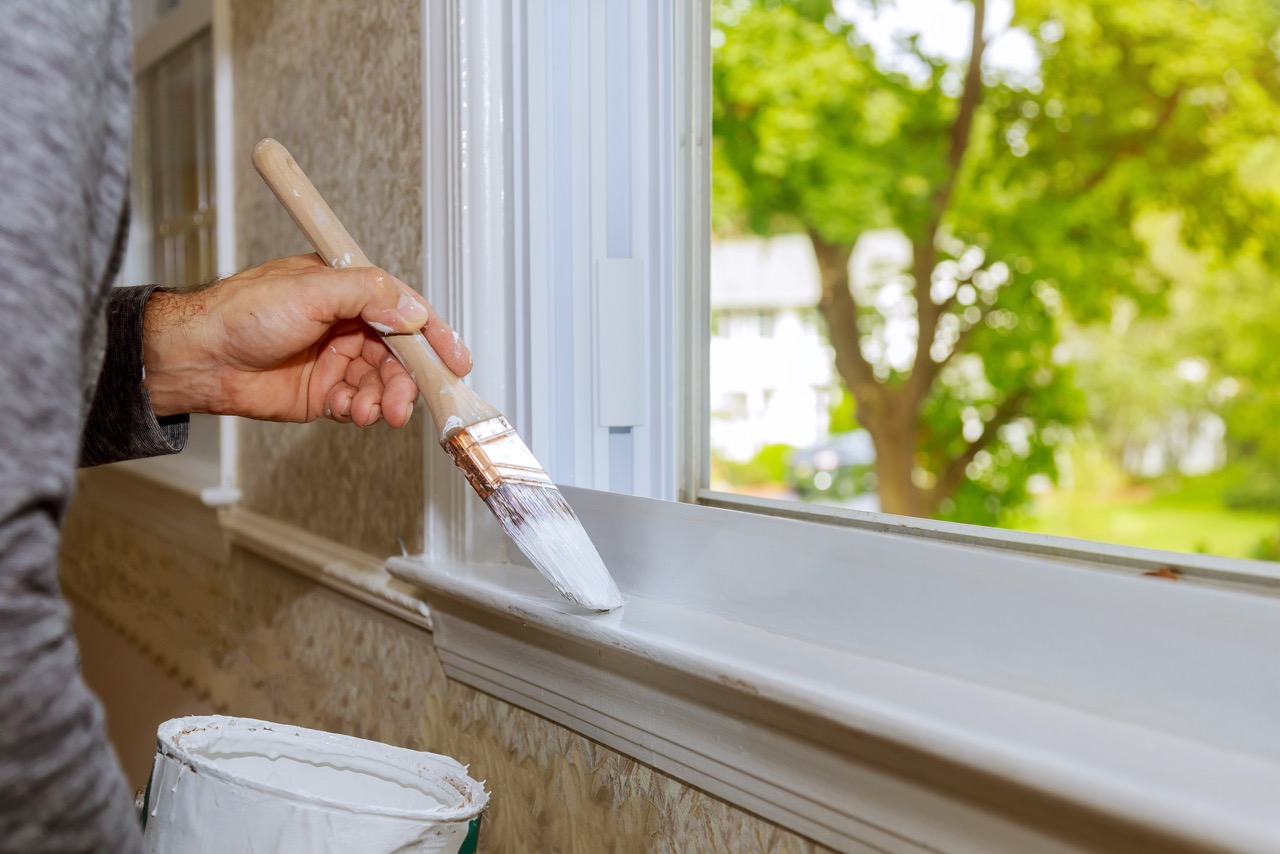
When homeowners think about improving walls or floors, attention naturally goes to the finished result. They imagine a new wall color, a smooth exterior finish, or a polished epoxy floor that completely changes the appearance of a garage or basement.
What happens before those finishes are applied, however, can be just as important as the products themselves.
Proper preparation creates the foundation for successful painting and flooring projects. Applying premium paint to a dirty or damaged wall can result in an uneven finish, just as installing a quality epoxy system over poorly prepared concrete can compromise its performance.
Understanding the importance of surface preparation for painting and professional floor coatings can help property owners recognize why preparation should never be treated as an optional step.
What Does Surface Preparation Actually Mean?
Surface preparation refers to the work performed before the final paint, coating, or finish is applied.
The exact process varies depending on the material, its existing condition, and the type of coating being installed.
For painting projects, preparation may involve cleaning surfaces, removing loose paint, filling holes, repairing minor imperfections, sanding uneven areas, caulking gaps, and applying primer when necessary.
Concrete preparation for epoxy flooring requires a different approach. The floor must be evaluated for cracks, contaminants, existing coatings, moisture concerns, and other conditions that could interfere with adhesion.
The objective in both situations is similar: create a clean, stable, and properly prepared foundation for the new material.
Why Surface Preparation for Painting Is So Important
Paint needs an appropriate surface to perform correctly.
Walls and exterior surfaces naturally accumulate dirt, dust, grease, moisture, and other contaminants over time. Older painted areas may also contain peeling sections, cracks, holes, or uneven patches.
Simply covering these problems with another layer of paint does not eliminate them.
Instead, imperfections can remain visible through the new coating or interfere with proper adhesion.
Professional surface preparation for painting addresses these conditions before application begins. By creating a cleaner and more consistent foundation, preparation helps the new paint adhere correctly and produces a smoother finished appearance.
This step becomes particularly important when changing finishes, working with older surfaces, or repainting areas where the existing coating has already begun to deteriorate.
Cleaning Comes Before Coating
Even surfaces that appear relatively clean can contain contaminants capable of affecting the final result.
Interior walls may collect dust, fingerprints, cooking residue, or other substances. Exterior areas are exposed to dirt, pollen, moisture, and environmental debris. Garage and basement floors can contain oil, grease, dust, and residues from previous treatments.
Applying a new finish without addressing these conditions can prevent the coating from creating the intended bond.
Professional preparation starts by evaluating what is present on the surface and determining the appropriate cleaning method.
This is one of the reasons preparation cannot always be reduced to a standard checklist. Different environments and materials require different solutions.
Repairs Should Happen Before the Final Finish
Fresh paint can improve the appearance of a surface, but it cannot properly correct physical damage underneath it.
Small holes, cracks, damaged caulk, loose paint, and uneven areas may remain noticeable after painting if they are not addressed beforehand.
For this reason, repairs are an important part of surface preparation for painting.
The same principle applies to concrete flooring.
Visible cracks, damaged areas, or deteriorating sections should be evaluated before an epoxy or concrete coating system is installed. Covering an existing problem without understanding its condition can affect both the appearance and long-term performance of the finished floor.
Professional preparation provides an opportunity to identify these issues early in the project rather than discovering them after the final coating has been applied.
Sanding Helps Create a More Consistent Surface
Sanding is another preparation step that can significantly influence painting results.
Depending on the existing finish, sanding can help smooth repaired areas, reduce imperfections, remove loose material, and create a more appropriate surface for subsequent coatings.
The goal is not simply to make the wall feel smooth.
Proper sanding helps create consistency so that patched areas, existing coatings, and surrounding surfaces work together more effectively once primer and paint are applied.
Skipping this stage can leave visible transitions or texture differences that become even more noticeable after the final coat.
Primer Has an Important Role
Primer is sometimes viewed as an unnecessary additional coat, but certain projects benefit significantly from its use.
It can help create a consistent base, support adhesion, cover repaired areas, and prepare surfaces that are being changed dramatically in color or finish.
However, not every project requires exactly the same primer or preparation process.
Surface material, existing condition, previous coatings, and the type of new paint all influence the appropriate approach.
Professional painters evaluate these factors instead of automatically applying the same products to every property.
This customized approach is an important part of achieving dependable results.
Epoxy Flooring Also Depends on Proper Preparation
The importance of preparation becomes even clearer when working with concrete coatings.
A successful epoxy floor relies on a strong bond between the coating system and the concrete underneath it.
Concrete may look solid from above while still presenting conditions that require attention. Dirt, grease, existing coatings, surface deterioration, moisture, and other contaminants can interfere with adhesion.
Professional concrete preparation is therefore an essential stage of epoxy installation.
The floor must be evaluated and prepared according to its condition before the coating system is applied.
Just as surface preparation for painting influences the quality of a painted wall, concrete preparation directly affects the performance and appearance of a finished epoxy floor.
Better Preparation Supports Better Adhesion
Adhesion is one of the most important reasons preparation matters.
When paint or flooring coatings cannot properly bond to the underlying surface, problems may begin appearing sooner than expected.
Paint can peel, flake, or develop uneven areas. Floor coatings may experience premature deterioration or other adhesion-related problems.
Quality products alone cannot solve poor preparation.
Even premium coatings need the appropriate conditions to perform as intended.
Professional preparation focuses on creating those conditions before the visible transformation begins.
Preparation Improves the Final Appearance
Durability is important, but preparation also has an immediate visual impact.
Paint tends to emphasize rather than completely hide imperfections. Uneven patches, damaged sections, poorly repaired holes, and rough areas can remain noticeable beneath a new color.
Floor coatings can similarly reveal inconsistencies in the underlying concrete.
Taking additional time during preparation helps create a more uniform foundation, allowing the final coating to achieve a cleaner and more polished appearance.
For homeowners investing in professional painting or epoxy flooring primarily to transform a space, this difference can be significant.
Interior and Exterior Surfaces Require Different Approaches
Not every painting surface experiences the same conditions.
Interior walls are primarily affected by daily use, cleaning, humidity, and occasional impacts. Exterior surfaces must also handle sunlight, rain, temperature fluctuations, and seasonal weather.
These differences influence preparation.
An interior bedroom wall in good condition may require relatively straightforward work, while an older exterior surface with peeling paint and weather exposure can demand significantly more attention.
In Massachusetts, changing seasonal conditions make proper exterior preparation particularly important.
Professional painters evaluate each environment individually and adapt the preparation process according to the surface rather than treating every project identically.
Preparation Can Support Longer-Lasting Results
Home improvement projects represent an investment, and homeowners naturally want those improvements to remain attractive for as long as reasonably possible.
Proper preparation can contribute significantly to that goal.
By improving adhesion, addressing imperfections, and creating a stable foundation, professional preparation helps coatings perform more effectively over time.
Skipping these stages may save time initially, but it can also contribute to premature deterioration and the need for repairs or refinishing sooner than expected.
Whether you are repainting your home’s interior, refreshing an exterior, or installing a new garage floor, investing in preparation can help protect the overall quality of the project.
Painting and Epoxy Have More in Common Than You Might Think
Professional painting and epoxy flooring may appear to be completely different services, but the principles behind quality workmanship are remarkably similar.
Both require evaluating the existing surface.
Both depend on appropriate cleaning and preparation.
Both require products selected for the environment and intended use.
And both achieve their best results when each stage is completed carefully rather than rushing directly to the final coating.
This connection is particularly useful for homeowners planning multiple improvements at once.
A garage transformation, for example, may include freshly painted walls combined with a professionally coated concrete floor. A basement renovation could similarly involve both services.
Having the entire project approached with the same attention to preparation helps create a more cohesive and professional result.
Start with the Right Foundation with Ultimate Epoxy
The most impressive part of a painting or epoxy project may be the finished surface, but quality begins long before the final coat is applied.
Proper surface preparation for painting helps improve adhesion, appearance, consistency, and durability. Professional concrete preparation provides the same essential foundation for epoxy flooring and other coating systems.
At Ultimate Epoxy, we understand that dependable results require attention to every stage of the process. Our professional painting, epoxy flooring, and concrete coating services combine careful preparation with quality materials and detailed application for residential and commercial properties.
Contact Ultimate Epoxy today to discuss your next painting or flooring project and discover how professional surface preparation can help create a stronger, cleaner, and longer-lasting finish.


