
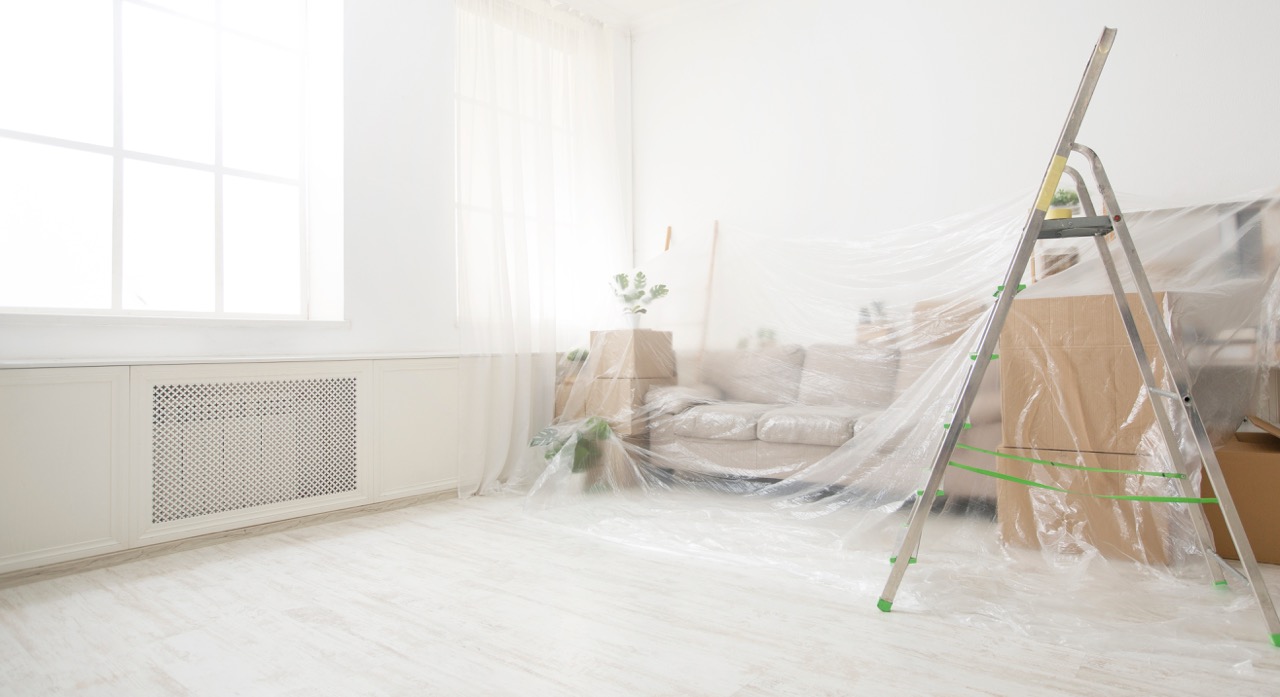
Renovating a home does not always require major structural changes. Sometimes, updating the surfaces you see and use every day can completely change how a property looks and feels. Freshly painted walls can brighten and modernize a room, while a professionally coated floor can make garages, basements, and other functional spaces cleaner, stronger, and more attractive.
For homeowners considering both improvements, one question often comes up: should you start with painting or flooring?
The answer depends on the condition of your property, the areas being renovated, and what you hope to accomplish. Understanding how home painting and epoxy flooring complement each other can make it easier to plan your project in the right order and create a cohesive finished space.
Start by Evaluating Your Property
Before choosing which project comes first, take a closer look at the current condition of the space.
Are the walls faded, stained, damaged, or covered in outdated colors? Is the concrete floor cracked, difficult to clean, stained, or showing signs of wear? Are you improving one room or planning a larger transformation?
Answering these questions can help establish priorities.
A living room with worn walls but well-maintained flooring may benefit most from professional painting. A garage with unfinished concrete, oil stains, and surface deterioration may make epoxy flooring the more practical first investment.
In some areas, both surfaces may need attention.
Basements, workshops, home gyms, utility areas, and finished garages are good examples of spaces where walls and floors work together visually and functionally.
How Interior Painting Changes a Space
Paint is one of the most effective tools for changing the atmosphere of an interior.
Color can make a small room feel more open, give older spaces a contemporary appearance, highlight architectural details, or create visual continuity between different areas of a home.
Professional interior painting also provides an opportunity to address surface imperfections before the new finish is applied.
Small holes, uneven areas, damaged caulk, stains, and other imperfections can be corrected during preparation, helping create a cleaner and more consistent result.
The type of paint and finish can also be selected according to the function of the room.
High-traffic areas may require more durable and washable surfaces, while other rooms may prioritize a specific appearance or texture.
When planned correctly, painting creates a strong foundation for the overall design of a renovated space.
Where Epoxy Flooring Fits into a Home Renovation
While painting transforms walls and ceilings, epoxy flooring can completely redefine concrete surfaces.
Garages are perhaps the most familiar application, but epoxy and professional concrete coatings can also be suitable for basements, workshops, utility areas, and other spaces where durability and easier maintenance are important.
Untreated concrete can absorb stains, collect dust, and gradually develop a worn appearance.
A professionally installed coating creates a finished surface that is easier to maintain while improving the overall appearance of the area.
For homeowners approaching home painting and epoxy flooring as part of the same renovation, this means previously utilitarian spaces can become intentional parts of the property.
A garage, for example, can evolve from a simple parking area into a clean workshop, organized storage space, home gym, or multipurpose room.
Should Painting or Flooring Come First?
When both services are being completed in the same room, project order matters.
In many situations, completing major wall preparation and painting before the final floor coating can help reduce the possibility of paint splashes or preparation debris affecting a newly finished floor.
However, every project is different.
The condition of the concrete, repairs required, curing schedules, type of coating, wall preparation, and other work planned for the space can influence the ideal sequence.
Rather than following a universal rule, homeowners should consider the complete renovation plan before work begins.
Coordinating painting and flooring from the start can prevent unnecessary rework and create a smoother transition between stages.
Color and Flooring Should Be Planned Together
Even when painting and flooring are separate projects, their visual relationship should not be overlooked.
Walls represent a large portion of what you see in a room, while flooring creates the visual foundation underneath everything else.
Choosing these finishes independently can sometimes result in combinations that do not feel cohesive.
Consider undertones, natural and artificial lighting, cabinetry, furniture, trim, and the intended purpose of the room when selecting colors and finishes.
Decorative epoxy systems can offer different tones, patterns, and flake combinations, while paint provides an almost unlimited range of colors.
Planning both together allows homeowners to create a more intentional result.
A lighter wall color paired with a polished floor can make a garage or basement feel brighter, while deeper tones can create a more dramatic and contemporary environment.
Preparation Matters for Walls and Floors
Although painting and epoxy flooring use different materials and installation techniques, they share one extremely important requirement: surface preparation.
New paint performs best when walls are clean, stable, smooth, and properly prepared. Applying coatings over dust, loose paint, grease, damaged areas, or other contaminants can compromise the final result.
Concrete flooring follows the same principle.
Before an epoxy or coating system is installed, the concrete must be evaluated and prepared so the material can properly bond with the surface.
Cracks, existing coatings, contaminants, moisture concerns, and other conditions may need to be addressed first.
This is why professional installation is about much more than the visible final layer.
Whether working on walls or floors, the quality and longevity of the finish depend heavily on what happens before application begins.
Think About How the Space Will Be Used
Design is important, but functionality should guide renovation decisions as well.
A bedroom, garage, basement, home office, and commercial workspace all experience different levels and types of activity.
For interior painting, this can influence the appropriate paint finish. Spaces that experience frequent contact or require regular cleaning may benefit from more durable options.
For flooring, usage can influence the coating system and finish selected.
A residential garage exposed to vehicles and everyday storage has different needs than a basement used primarily for recreation or a workshop that regularly experiences heavier activity.
When planning home painting and epoxy flooring, think about how the space functions today as well as how you expect to use it in the future.
You Do Not Need a Complete Remodel to Transform a Property
One of the biggest advantages of surface improvements is their ability to create noticeable changes without rebuilding an entire room.
Replacing cabinetry, moving walls, changing plumbing, or completing other major renovations can require substantial time and investment.
Painting and floor coatings take a different approach.
Instead of changing the structure of the space, they refresh and improve the surfaces already there.
A garage with freshly painted walls and a professionally coated floor can feel completely different even though its layout has not changed. The same applies to basements, workshops, utility rooms, and many interior areas.
For homeowners who want meaningful visual improvement without undertaking a full remodel, these projects can provide an effective alternative.
Consider Long-Term Maintenance
Another important factor when choosing improvements is how easily the finished space can be maintained.
Fresh, professionally applied paint can make walls easier to clean and keep the interior looking maintained. Selecting the correct finish for each room can further improve durability in frequently used areas.
Professional epoxy flooring can provide similar practical advantages for concrete surfaces.
Instead of dealing with porous unfinished concrete that can collect dirt and stains, homeowners gain a smoother finished surface that is generally easier to maintain.
Combining these improvements can create spaces that not only look better immediately after renovation but are also more practical for everyday life.
Creating a Cohesive Property with Professional Surface Improvements
Painting and flooring should not always be viewed as unrelated services.
Both influence how a space looks, how easily it can be maintained, and how well its surfaces handle everyday use.
Planning them together gives homeowners an opportunity to create consistency throughout the property.
You may decide to refresh the main living areas with professional painting while upgrading the garage with epoxy flooring. Another project might involve transforming a basement by improving both its walls and concrete floor.
The right combination depends entirely on your property and priorities.
What matters is approaching each improvement with careful planning, appropriate materials, and proper preparation.
Transform More of Your Home with Ultimate Epoxy
Whether your property needs freshly painted walls, a stronger concrete floor, or improvements to multiple surfaces, you do not necessarily need a complete renovation to achieve a significant transformation.
Ultimate Epoxy provides professional painting, epoxy flooring, and concrete coating solutions designed to improve the appearance, durability, and functionality of residential and commercial properties.
By considering home painting and epoxy flooring as complementary parts of your project, you can create spaces that feel cleaner, more polished, and better suited to everyday use.


